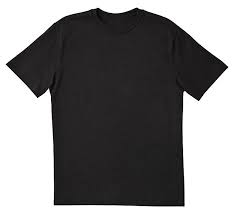
From the moment a simple piece of cotton fabric is cut and sewn into the iconic shape we now call a T‑shirt, it begins a journey that intertwines history, culture, technology, and personal identity, turning an everyday garment into a powerful symbol of expression, comfort, and social commentary, and understanding this journey requires us to travel back in time to the early twentieth century when the T‑shirt first emerged as an undergarment for laborers, sailors, and soldiers, providing a lightweight, breathable layer that could be easily washed and dried, and it was during the 1910s that the United States Navy adopted the T‑shirt as standard issue, recognizing its practicality in the humid climates of naval vessels, and this military endorsement helped to popularize the garment among civilians, who began to see it not just as a utilitarian piece but also as a canvas for personal and commercial messages, a trend that would explode in the 1950s when Hollywood icons such as Marlon Brando and James Dean wore T‑shirts on screen, challenging the prevailing norms of formal attire and cementing the T‑shirt as a symbol of rebellion and youthful defiance, and as the decades progressed, the T‑shirt continued to evolve, absorbing influences from music, art, politics, and technology, becoming a staple of streetwear in the 1970s and 1980s as punk rockers, hip‑hop artists, and skateboarders customized their shirts with bold graphics, slogans, and DIY embellishments, while simultaneously, advancements in printing techniques such as screen printing, heat transfer, and more recently digital sublimation, allowed for increasingly intricate designs, vibrant colors, and short‑run production, democratizing the medium and giving anyone the ability to wear a piece of wearable art, and this democratization has been further amplified by the rise of e‑commerce and social media platforms, where influencers, small businesses, and independent artists can showcase and sell their T‑shirt designs to a global audience, creating a dynamic marketplace that celebrates diversity, individuality, and niche subcultures, while also raising questions about sustainability, labor practices, and the environmental impact of mass production, which has led to a growing movement toward ethical fashion that emphasizes organic cotton, recycled materials, low‑impact dyes, and fair‑trade manufacturing, and as consumers become more conscious of their purchasing decisions, they are demanding transparency and accountability from brands, prompting many companies to adopt circular economy models, such as take‑back programs, upcycling initiatives, and closed‑loop recycling, which aim to extend the lifecycle of a T‑shirt and reduce waste, and beyond its environmental and ethical dimensions, the T‑shirt also plays a significant role in social and political discourse, serving as a moving billboard for protest messages, awareness campaigns, and cultural commentary, whether it is a shirt emblazoned with a powerful slogan during a civil rights march, a graphic that celebrates a national holiday, or a limited‑edition collaboration that raises funds for charitable causes, the T‑shirt has the unique ability to convey ideas, spark conversation, and foster a sense of community among those who wear it, and this communicative power is rooted in its simplicity and ubiquity; because almost everyone owns at least one T‑shirt, it is a universally recognized garment that transcends age, gender, and socioeconomic status, making it an ideal medium for both personal expression and collective identity, and the psychology behind why we choose certain T‑shirts is also fascinating, as research in consumer behavior suggests that clothing can influence not only how others perceive us but also how we perceive ourselves, a phenomenon known as “enclothed cognition,” where wearing a T‑shirt associated with a particular trait or group can actually affect our mood, confidence, and behavior, and this insight has been leveraged by marketers who design T‑shirts that evoke feelings of nostalgia, belonging, or aspiration, thereby creating an emotional connection that goes beyond the physical fabric, and the design process itself is a blend of art and engineering, where designers must consider factors such as silhouette, fabric weight, seam placement, and printing limitations to ensure that the final product is both aesthetically pleasing and durable, and they must also navigate the complexities of sizing standards, which vary across regions and markets, requiring careful grading and fit testing to accommodate diverse body types, and as technology continues to advance, we are seeing the emergence of smart T‑shirts embedded with sensors that can monitor heart rate, temperature, or even posture, merging fashion with function in ways that were once the realm of science fiction, and these innovations are opening up new possibilities for health monitoring, athletic performance, and interactive experiences, while also raising concerns about data privacy and the potential for surveillance, and yet, despite all these technological and cultural shifts, the essence of the T‑shirt remains unchanged: it is a simple, versatile garment that provides comfort, protection, and a means of self‑expression, and perhaps that is why it has endured for over a century, adapting to changing fashions and societal values while retaining its core identity, and as we look to the future, it is likely that the T‑shirt will continue to evolve, incorporating sustainable materials, advanced manufacturing techniques, and digital interactivity, but its fundamental role as a canvas for human creativity and connection will remain as vital as ever, reminding us that even the most ordinary objects can carry extraordinary meaning when we choose to invest them with our stories, beliefs, and aspirations. In the coming years, as the fashion industry grapples with the urgent need to reduce its carbon footprint, innovators are experimenting with novel fibers such as hemp, bamboo, and even recycled plastic bottles, which can be transformed into soft, breathable yarns that mimic the feel of traditional cotton while offering enhanced durability and a lower environmental impact, and these materials are being combined with cutting‑edge production methods like 3D knitting and on‑demand manufacturing to minimize waste and inventory, thereby creating a more responsive supply chain that can quickly adapt to shifting consumer tastes and seasonal trends, while also allowing for greater customization, so that each T‑shirt can be tailored to an individual’s fit, color preference, and even personalized graphics, a level of intimacy between wearer and garment that would have seemed unimaginable just a few decades ago, and as we continue to explore the intersection of technology, sustainability, and style, the humble T‑shirt will undoubtedly remain a canvas for innovation, a testament to human ingenuity, and a beloved staple that connects us all through the simple act of slipping a piece of fabric over our shoulders.